


Coordinating Care, Elevating Outcomes
October 27, 2025Share:


This month, I want to talk about a topic I’m deeply passionate about: care coordination. It’s a simple phrase that carries tremendous meaning—and, at times, deep complexity. Anyone who’s helped a loved one navigate the healthcare system knows how challenging “care coordination” can be. Terms like case management, care management, and care navigation are often used interchangeably, but all focus on organizing healthcare services, tests, appointments, and transitions for a patient. And yet, our fragmented system often makes this harder than it should be.
That’s why it’s encouraging to see Centers for Medicare & Medicaid Services shine a spotlight on care coordination through the Transforming Episodic Accountability Model (TEAM)—a mandatory bundled payment program launching Jan. 1, 2026. TEAM holds hospitals financially accountable for Medicare beneficiaries for 30 days after five specific surgical procedures, with the goal of improving coordination and reducing costs by aligning quality and financial performance.
Mandatory care coordination has arrived—and what a relief for families and caregivers who’ve long carried this burden with few resources. I’m eager to see how this model evolves and the results it produces as organizations strengthen their focus on quality and outcomes. To succeed under TEAM, hospitals must prioritize comprehensive care coordination in the 30 days after a hospital discharge or outpatient procedure. That means engaging patients and caregivers early to ensure they have the support and services they need—wherever they are in their care journey.
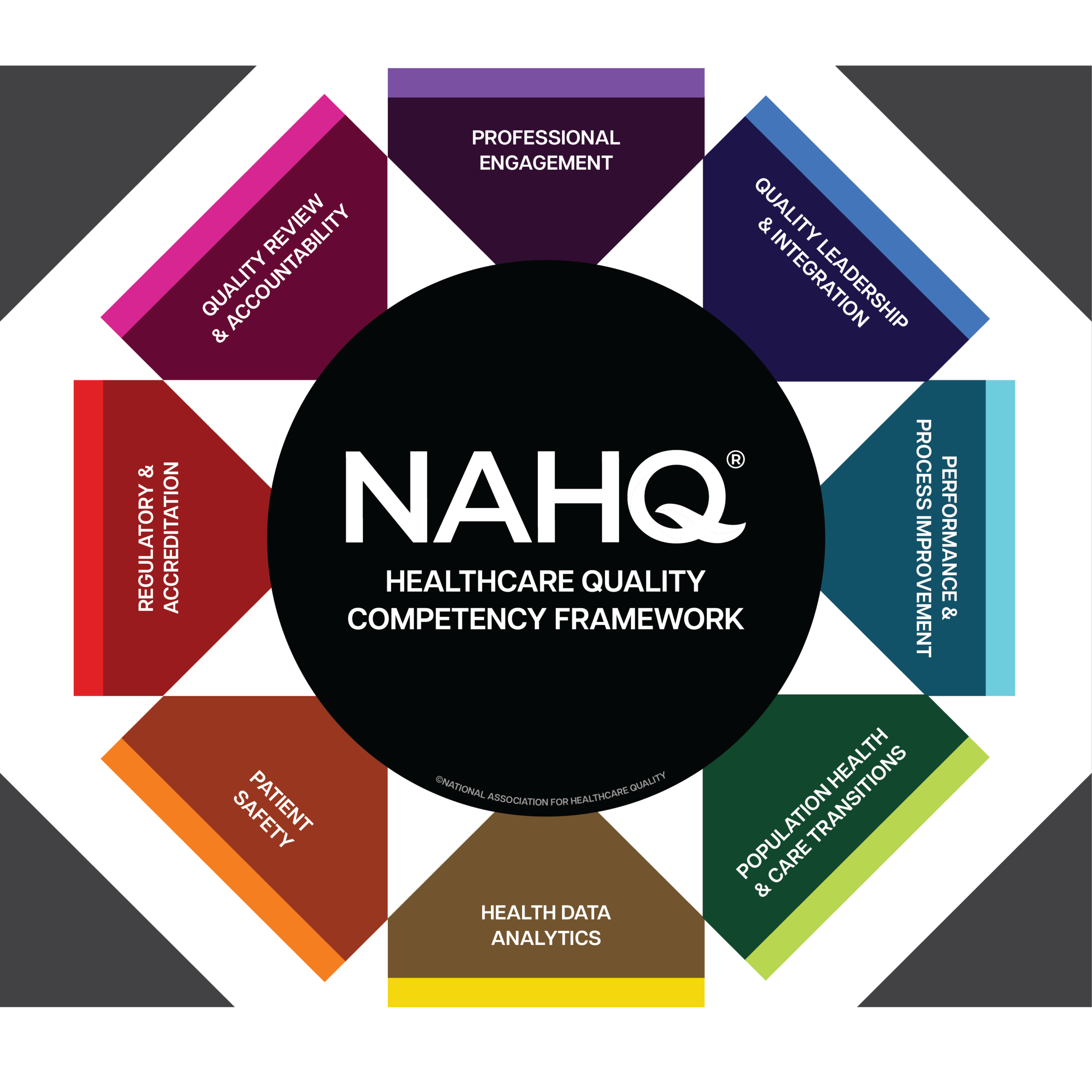
At NAHQ, we’ve long recognized that effective care coordination depends on a capable, well-prepared workforce. The NAHQ Healthcare Quality Competency Framework™ defines the knowledge, skills, and abilities required to deliver quality care across the continuum. Developed by experts and consistently validated in the field, it serves as the industry standard for quality workforce competencies.
The Population Health and Care Transitions domain, in particular, focuses on integrating population health strategies, taking a patient-centered approach, and collaborating across teams to improve care processes and transitions. Whether or not your organization participates in TEAM, mastering these competencies is essential for optimizing the patient experience, improving outcomes, and achieving financial success.
How well is your system coordinating care? If your hospital or health system will be part of TEAM, are you ready for Performance Year One beginning Jan. 1? The first performance year carries upside risk only—offering the opportunity for positive reconciliation without penalties. With the launch date fast approaching, now is the time to understand TEAM’s impact and prepare strategically for this transformational value-based care model. I invite you to join me on Nov. 5, 2025, for the NAHQ Learning Lab - Leading Through Change, where I’ll explore what’s ahead in January. This session, hosted by NAHQ, will help you leverage quality data to drive outcomes under TEAM and equip your workforce with the competencies needed to succeed.
Accountability for care coordination is here—and that’s great news for patients, families, caregivers, and the entire healthcare system.
Patricia (Patty) Resnik, MJ, MBA, RRT, FACHE, CPHQ, CHC, CHPC
NAHQ President
There is a roadmap to healthcare Quality excellence. NAHQ can help you follow it.
The NAHQ Healthcare Quality Competency Framework™ serves as the industry-standard, defining the Quality Safety competencies, skills and behaviors required to advance Quality & Safety excellence across the healthcare continuum.
This expert-created, data-informed framework is continuously validated and updated by NAHQ to ensure it provides the most up-to-date information, guiding professionals, organizations, and the healthcare industry to create a competent, coordinated workforce prepared to deliver healthcare excellence.